


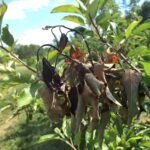
 Affect mainly apples and pears. An annual recurring devastating disease affecting the plant during bloom, not only destroying the harvest but having the potential to destroy entire orchards. Under favorable conditions the disease can spread rapidly.
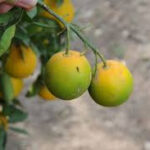 Affecting citrus. A recurring diseases caused by the pathogen Liberbacter crescens. The disease is transmitted by the Asian citrus psyllid, Diaphorina citri, and the African citrus psyllid, Trioza eritrea. It has no cure and devastates entire orchards.

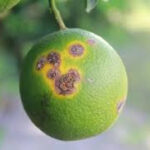 Affecting citrus. A recurring diseases that shows lesions on fruits, leaves and stems, and can cause fruit drop. Whilst citrus canker is not destroying the entire tree it can limit its growth and reduce fruit production. Canker poses a serious threat to growers as it can destroy up to 70% of a harvest.
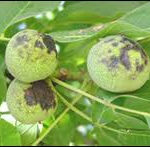 Infects new growth on walnut trees, particularly leaves, catkins, and young nuts. The bacteria overwinter in buds and are spread by rain and win during bloom. All green tissue is susceptible to walnut blight.
Affecting almonds. A serious disease affecting the nuts, leaves and young shoots. It results to significant harvest losses, particularly in wet seasons. The pathogens enters particularly during bloom. Disease control with pesticides risks damaging blossoms.
Affecting olives. Fruit and flavor can be affected.
A serious disease, affecting multiple stone and pome fruits. E.g., cherries, plums, peaches. It causes strong damage to blossoms, leaves and can result in tree death. It results in reduced harvest and tree losses.
A common bacterial disease of cucurbits, affecting cucumbers, melons, squash, and pumpkins.
Affects the fruits, leaves, twigs, and the fruit quality.
Affects the vegetable, leaves, and the fruit quality.
Affects a wide range of plants, including vegetables (e.g., tomatoes, potatoes, cucumbers) and ornamentals. The pathogen affects the water flow in the plant causing it to wilt.
A serious disease affecting tomatoes, both in the greenhouse and in the field. It can cause significant yield losses. The disease affects fruits, leaves and stems.
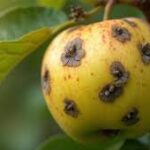 Affecting primarily apple and crabapple trees. It creates lesions on fruits and leaves and can lead to a premature fruit drop and fruit deformation and impacts the quality. It can destroy up to 70% of a harvest.
Weakens cherry trees through premature defoliation.
A destructive disease affecting bananas, posing a serious threat to banana planations worldwide.
Devastates citrus corps
A species of water mould causing downy mildew on cucurbits (E.g., cantaloupe, cucumber, pumpkin, squash and watermelon.)
A fungal disease blighting leaf tissues. It is one of the most economically critical disease affecting turfgrass.
Most prevalent in cold and wet conditions, occurring under snow cover. Turfgrass shows circular patches of pinkish and reddish blighted spots after the snow melts. In winter cereals it can cause seedling blight, leaf blotch and stem rot.


